
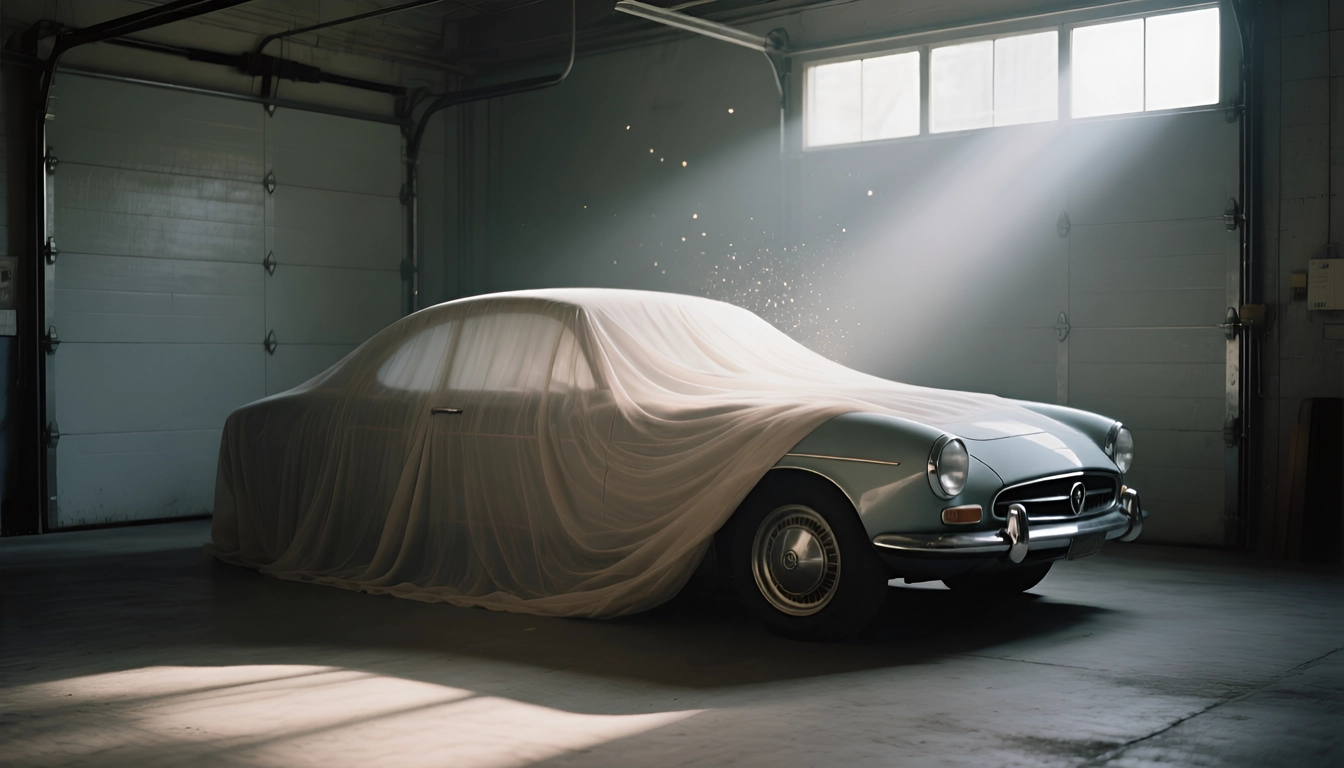
Classic Car Finance, Made Clear
A calm, simple guide to understanding the real costs and timelines.
Why Classic Cars Feel Different
They Carry Stories
Classic cars aren’t just machines. They hold memories, history and emotion — which makes the decision to buy or restore one feel heavier than a normal purchase.
The Costs Aren’t Always Obvious
Purchase price, restoration, parts, transport, storage and timelines can shift quickly. Understanding the shape of the project brings calm to the process.
Value Works Differently
Classic cars don’t follow the same rules as everyday vehicles. Their worth is influenced by rarity, condition, provenance and the market’s emotional trends.
Everyone’s Path Is Different
Some people restore slowly. Some buy ready‑to‑drive. Some mix savings with finance. There’s no right way — just the way that fits your life.
What People Usually Want to Understand
The Real Shape of the Costs
Classic cars come with layers — purchase, restoration, parts, transport and timelines. Understanding how these pieces fit together brings calm to the decision.
How Long the Journey Might Take
Some projects move quickly. Others unfold over months or years. Knowing the likely pace helps you plan without pressure.
What Options People Commonly Explore
Some save slowly. Some use finance to spread the cost. Some mix both. There’s no right way — just the way that fits your life and your project.
Before You Begin
A few simple things people usually check before exploring classic car finance:
- You’re over 18 and living in Australia.
- You have a steady source of income.
- The car meets typical classic‑car criteria such as age, condition or rarity.
- You can provide basic documents like ID, income details and information about the vehicle.
- You understand this is general information only and not financial advice.
Simple Application Process
Submit Application
Complete our online form or speak with an advisor.
Vehicle Appraisal
We'll guide you through the valuation process.
Loan Approval
Receive a prompt decision on your loan request.
Fund Disbursement
Get the funds to finalize your classic car purchase.
Real Stories from Classic Car Owners
"Mark had a 1974 Torana shell sitting in his shed for years. Once he understood the real shape of the project — parts, labour, timelines — the pressure eased and the excitement returned."
"Elena loved old Mercedes coupes but felt overwhelmed by the unknowns. Breaking the decision into simple steps brought clarity and confidence."
"Tom’s Mini restoration grew bigger than expected. Mapping out the stages turned chaos into calm, and the project became enjoyable again."
"Priya had dreamed of a 240Z for years. Understanding she could take it step by step helped her choose calmly, on her own terms."
Common Questions People Ask When Exploring Classic Cars
Classic Car Clarity Check
Restorations rarely move in straight lines. Parts arrive late, workshops get busy, and small fixes turn into bigger ones. Understanding the shape of the timeline helps people plan calmly.
Have Questions?
If you’re exploring a classic car project and want to understand your options more clearly, you’re welcome to reach out. No pressure, no rush — just a conversation.
Contact Details
22 Horizon Drive, Beenleigh 4207 QLD
General information only. No financial advice.